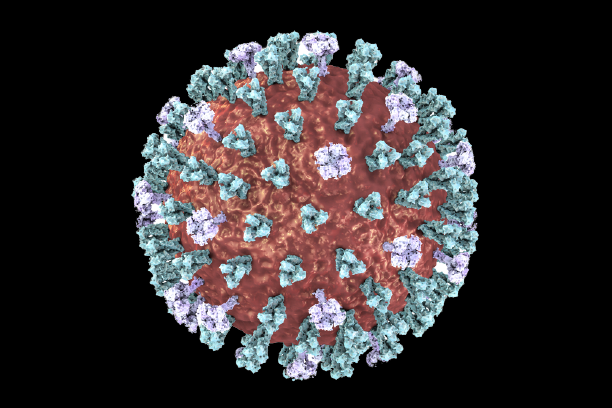
Exanthematous Viral Diseases
Exanthem is the medical name given to a widespread rash that is usually accompanied by systemic
symptoms such as fever, malaise and headache. It is usually caused by an infectious condition such
as a virus, and represents either a reaction to a toxin produced by the organism, damage to the skin
by the organism, or an immune response.
Transmission
Many exanthematous viruses are spread through respiratory droplets from the cough or sneeze of someone with the virus. Other exanthematous viral diseases, such as chickenpox and smallpox, can be transmitted by coming into contact with fluid in broken skin lesions. Shingles only occurs in people who’ve had chickenpox at some point. It’s a reactivation of the varicella-zoster virus that’s been lying dormant in your cells. Chikungunya virus is spread through a mosquito bite and cannot be transmitted from person to person.
Symptoms
Non-specific exanthems appear as spots or blotches and may or may not be itchy. The rash is usually widespread and may be more extensive on the trunk than the extremities. In most cases, prior to the rash appearing, patients may have symptoms of general unwellness that include:
- Fever
- Malaise
- Headache
- Loss of appetite
- Abdominal pain
- Irritability
- Muscular aches and pains.